What to Wear to a U.S. Visa Interview: A Practical Comfort Checklist
Choose a comfortable interview outfit, check local security instructions, and rehearse your appointment day without relying on clothing myths.
This guide combines official references with original communication exercises. Example answers are illustrations, not a script to copy or a report of a real applicant. USA Vizo is independent and does not assess eligibility or predict decisions.
Choose clothes that let you travel, wait, handle documents, and speak comfortably. Buying an expensive suit does not establish your eligibility. Instead, check whether your outfit will create an avoidable distraction during a long, unfamiliar morning. You can do that rehearsal with clothes you already own.
The clothing suggestions below are USA Vizo's preparation advice, not a government dress code or a claim about what officers prefer. Check your appointment location's instructions for security, permitted belongings, and any specific requirements. The Department of State visitor-visa guidance directs applicants to their embassy or consulate for local application instructions.
Plan the whole appointment day
Write down your likely journey: walking to transport, traveling, finding the entrance, passing security, waiting, and returning home. Add the weather forecast shortly before the appointment. A formal jacket that feels fine for five minutes indoors may be uncomfortable on a humid journey. Shoes that look tidy but hurt after a short walk will make waiting harder than necessary.
Select an outfit that is clean, comfortable, and familiar. Depending on your wardrobe, that could mean a plain shirt and trousers, a modest dress, a blouse and skirt, or everyday professional or traditional clothing. There is no need to change your cultural identity or pretend to have a different occupation. Avoid building your preparation around online claims that a particular color, brand, or level of formality wins approval.
Run three practical checks
- Movement: Sit, stand, reach for a folder, and walk for ten minutes. Check that sleeves, hems, and footwear allow ordinary movement without constant adjustment.
- Temperature: Consider whether a removable layer would help during the journey or indoor waiting. Choose something manageable with the belongings permitted at your location.
- Document access: Practice holding your required papers and retrieving one item. If your clothing or bag makes this awkward, simplify the arrangement.
For example, imagine a student choosing between new formal shoes and clean shoes already worn comfortably to classes. This is a hypothetical planning example, not an applicant success story. The familiar shoes may be the more practical choice for walking and waiting. Nothing about that choice changes the student's program, funding, application, or eligibility.
Treat security as a separate checklist
A sensible outfit does not solve an issue with a prohibited bag or electronic device. Read the specific embassy or consulate appointment instructions instead of copying another city's packing list. If you need storage for an item that cannot enter, arrange a reliable option before leaving. Do not assume the building provides lockers or accepts every type of personal item.
Keep any accessibility, medical, or religious accommodation questions separate from general fashion advice. Use the location's official contact or published procedure when clarification is needed. A stranger's interview account cannot establish the arrangements available for your appointment. Save the relevant instructions so you can check them again without relying on a social-media summary.
Separate your visa photograph from your outfit
Rules for an application photograph are their own subject. An outfit suitable for attending an appointment is not automatically suitable for a visa photograph. Review the official photograph requirements when preparing or replacing the actual application photo. Do not use an interview-clothing article to decide whether a submitted photo meets government specifications.
This distinction also prevents last-minute confusion. Mark two separate tasks in your notes: “application photo checked against instructions” and “appointment clothes ready.” Finishing one does not finish the other. If your appointment instructions ask you to bring a photograph, put it with the required documents rather than treating it as an optional accessory.
Use the outfit for a realistic practice round
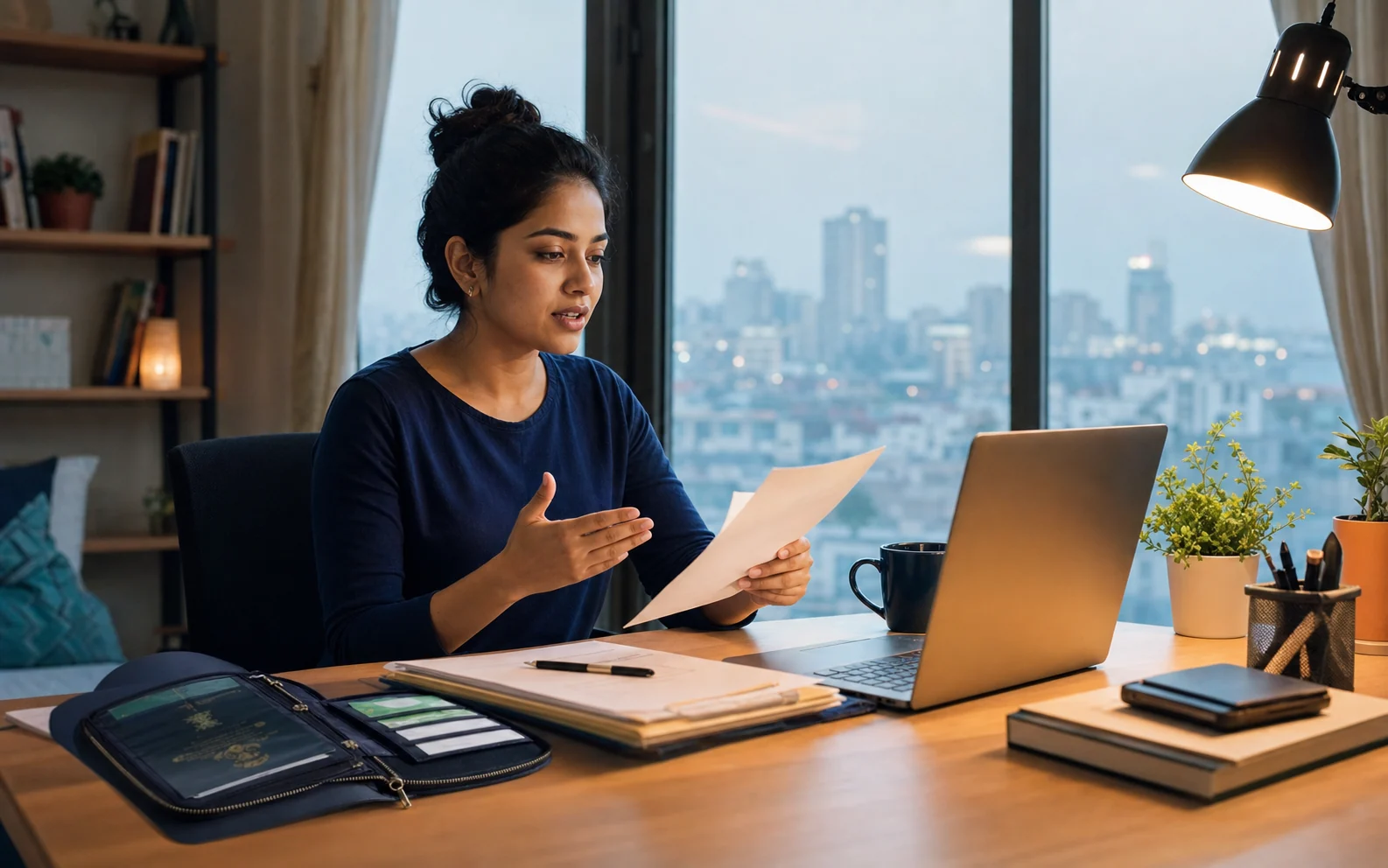
The evening before, put on the planned clothes and complete a short rehearsal. Stand or sit comfortably, introduce your actual travel purpose, and answer one follow-up. Notice whether you keep adjusting a collar, searching pockets, or looking down at your folder. Fix those practical distractions while you still have time. Do not interpret ordinary nervousness as evidence that you chose the wrong clothing.
Use a simple two-column note labeled “distraction I noticed” and “change I can make.” You might move papers into a clearer order, choose a less restrictive layer, or set out a familiar pair of shoes. Keep the exercise about comfort and organization rather than scoring your appearance against imagined successful applicants.
Put your attention back on your answers
Once clothing is settled, return to understanding your application and explaining your circumstances accurately. On the morning itself, recheck your documents, appointment details, transport, and local security instructions. Your outfit should already be one completed item on that list.
Try a short session in the USA Vizo practice tool, or read the public example reports to see how communication feedback works. The U.S. visa interview practice guide explains how to organize a broader rehearsal. These exercises can help you communicate more clearly; they do not predict a consular decision.
Sources
Official requirements and procedures can change. Consult the linked sources and the instructions for your embassy or consulate before acting.