B1/B2 Visa Interview Questions: Build Answers from Your Own Facts
Practice B1/B2 questions for tourism, family visits, and business travel, with a shared-cost example, truthful follow-ups, and official source checks.
This guide combines official references with original communication exercises. Example answers are illustrations, not a script to copy or a report of a real applicant. USA Vizo is independent and does not assess eligibility or predict decisions.
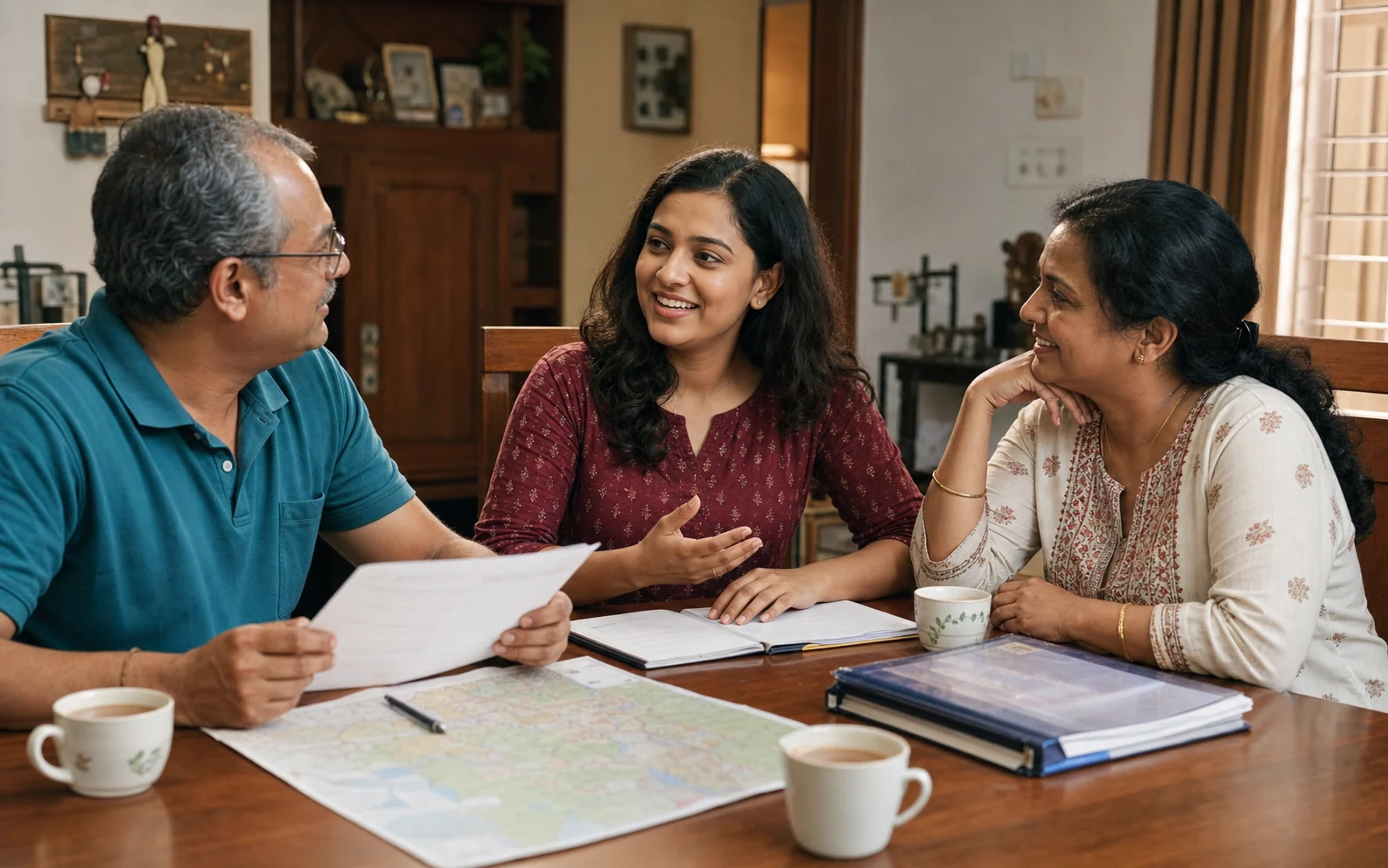
A parent visiting an adult child has different details to explain from an employee attending a conference. Start with the questions that fit your B1/B2 trip. As you answer, check the dates against your budget and the time you can spend away from work or other responsibilities.
These are editorial practice prompts, not a government question list or a prediction of your interview. The Department of State visitor-visa page explains the category and identifies trip purpose, departure plans, and ability to cover costs as subjects for possible supporting evidence. Check the official instructions for your appointment location as well.
What is the purpose of your visit?
Build the first answer around purpose, location, and duration. One hypothetical structure is: "I plan to visit my sister in [city] for [length of visit], with a few days for [actual activity]." Replace the brackets with your information. There is no need to recite every day of the itinerary unless asked.
Follow-ups to rehearse include: Why that destination? Who are you visiting? What will you do during the visit? Why did you choose those dates? If your plans include several purposes, describe them accurately instead of removing inconvenient details to make the trip sound simpler. If your intended activity may not fit the visa category, check official guidance before practicing its explanation.
How long will you stay?
Immihelp's September 2026 analysis describes recurring questions about work, trip duration, funding, and U.S. contacts. Its authors selected 72 detailed interview accounts from 300 posts. That self-selected archive helps identify practice topics; it does not establish a standard interview or an approval rate.
State the expected length in a clear unit, then connect it to the actual plan. "About two weeks" is easier to understand than a long story about how the dates were chosen. If the dates remain provisional, say so. Keep tentative plans separate from bookings already made, and do not create a confirmed reservation story for the rehearsal.
Check that you can afford the length of stay and fit your activities into it. If the dates differ from your application, write down what changed and check the relevant official correction process. Rehearse with the dates you can support.
Who will pay for the trip?
Name the real payer and explain any shared costs. Consider this hypothetical answer: "I will pay for flights and daily expenses from savings; my sister will provide accommodation." It works only for someone with that genuine arrangement. When another person pays, be ready to explain the relationship and which costs that person covers.
On your private preparation sheet, separate transport, accommodation, and daily expenses. Label currencies and distinguish monthly income from yearly income. Ask a practice partner to interrupt with "Is that per month or per year?" Answer that question before continuing. This exercise sets no financial threshold.
When a relative hosts you
Clarify what the host provides. Accommodation alone, a contribution toward flights, and payment of the whole visit are different arrangements. The Path2USA visitor question list is useful for identifying family-visit topics, but its sample answers describe other people's circumstances.
In this fictional exercise, a traveler budgets US$1,100 for flights and US$600 for personal spending, both from their own funds. Their daughter provides a room, so there is no hotel payment. Ask who pays for accommodation, then whether the US$1,700 includes a hotel. The traveler needs to explain the room their daughter provides. These invented figures set neither required balances nor recommended trip costs.
A host's invitation is not a guarantee or a required visitor-visa document. The official visitor guidance linked above says an invitation letter or Affidavit of Support is not needed to apply. If you carry one, do not present it as proof that you qualify. Review our document checklist method to separate required items from other material.
Explain your current responsibilities
Explain your current situation in ordinary language. If employed, name your role and what you actually do. If studying, describe your course and current stage. If retired, caring for family, between jobs, or running a business, describe that situation honestly. Do not replace it with an occupation that sounds more impressive.
A partner can ask how long you have done that work, who will cover your responsibilities while you travel, or what you plan to do after the visit. Answer from the arrangements you have made. A job, property, or family connection does not guarantee a visa decision.
Choose a follow-up that fits your visit
- For a family visit: Where does your relative live, how long will you stay with them, and what responsibilities continue at home?
- For tourism: Which places fit the available time, and which bookings are still tentative?
- For a business visit: What meeting or conference will you attend, what is your role, and why do you need to attend in person?
For business travel, explain the actual activity and check that it fits the category. Our sourced Mumbai business-visit case provides one example of questioning; its result does not establish what will happen to another applicant.
Review previous trips and applications
Review your actual travel and application history before rehearsing. Organize it chronologically so you do not accidentally swap dates or destinations. If you have a previous refusal, state it accurately when asked. Explain a genuine change, if there is one, without claiming to know an officer's unrecorded reasoning.
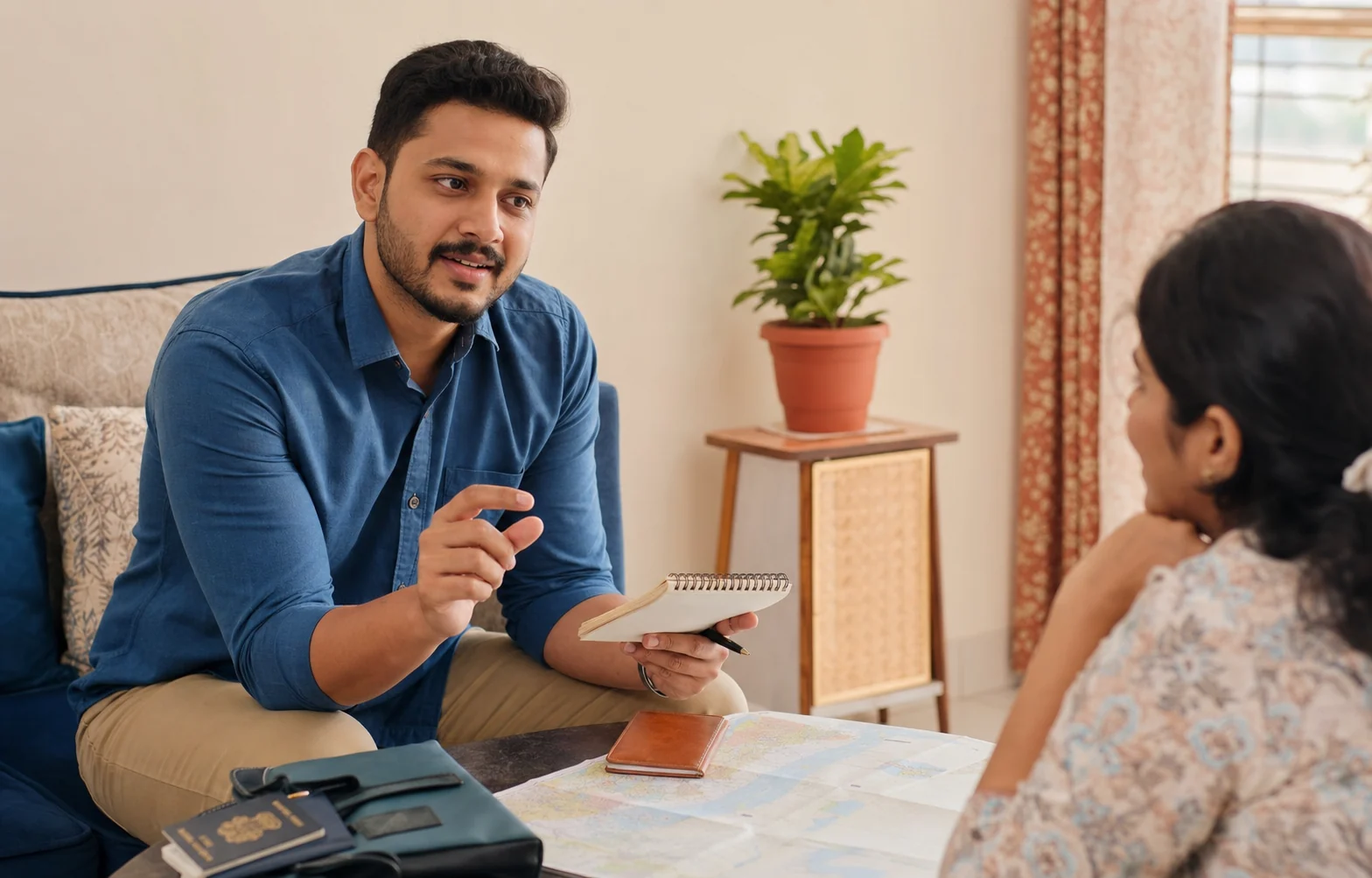
Give your partner three randomly selected questions from different sections. They might ask about funding first, travel history second, and purpose last. Check whether your answers still describe the same trip when you lose the familiar order.
Use a four-part answer review
- Does the first sentence answer the question asked?
- Have you included the person, activity, time, or amount the listener needs?
- Does the answer fit your other answers and records?
- Can the listener distinguish known facts from estimates and unsettled plans?
Choose one change after each round. For example, replace "a long holiday" with the actual planned duration, or clarify which expenses your host covers. Resist adding every fact to every answer. A partner may ask a relevant follow-up after a perfectly adequate short response.
Continue with the B1/B2 practice guide and answer four prompts in the practice tool. You can view example feedback without an account before deciding whether to generate a private report. Use feedback to refine communication, never as a visa approval estimate.
Sources
Official requirements and procedures can change. Consult the linked sources and the instructions for your embassy or consulate before acting.